By Shachar Cohen, Keren Gispan, Noam Spivak
Introduction
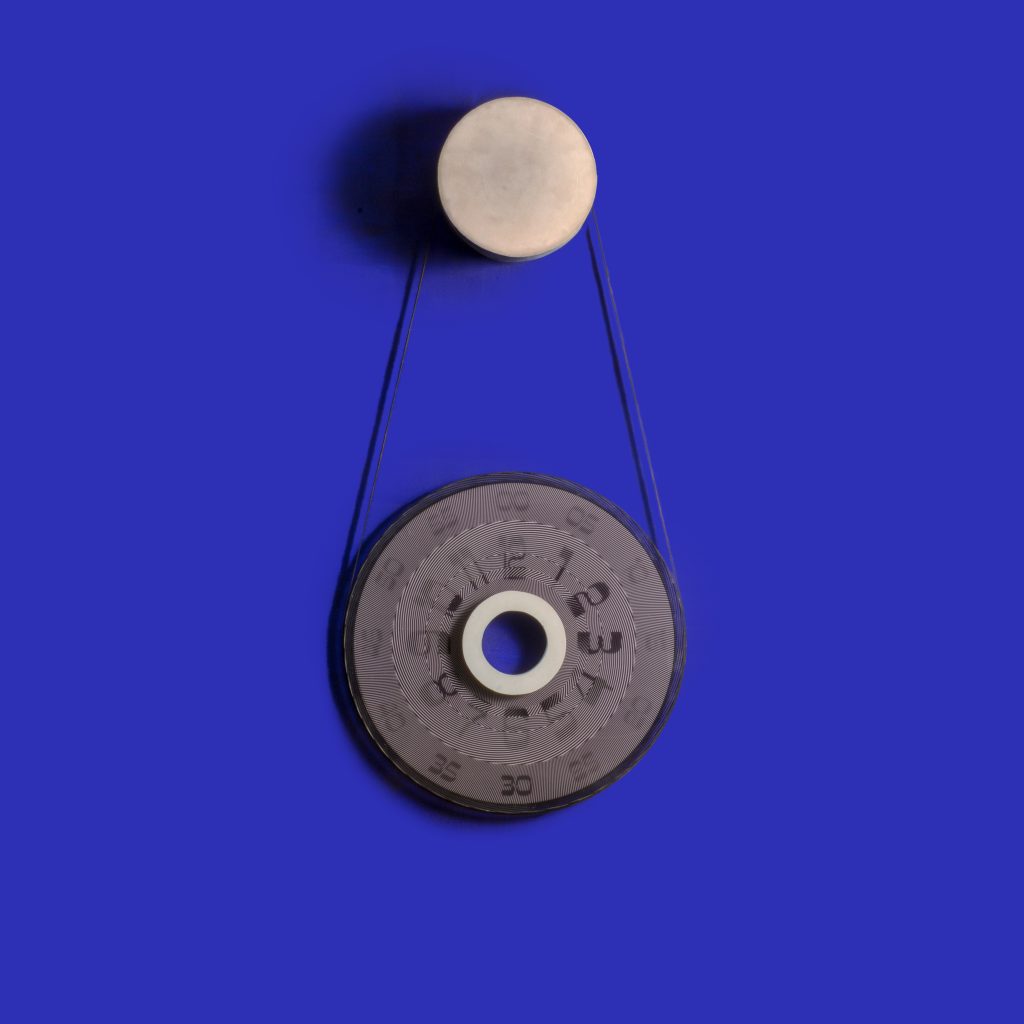
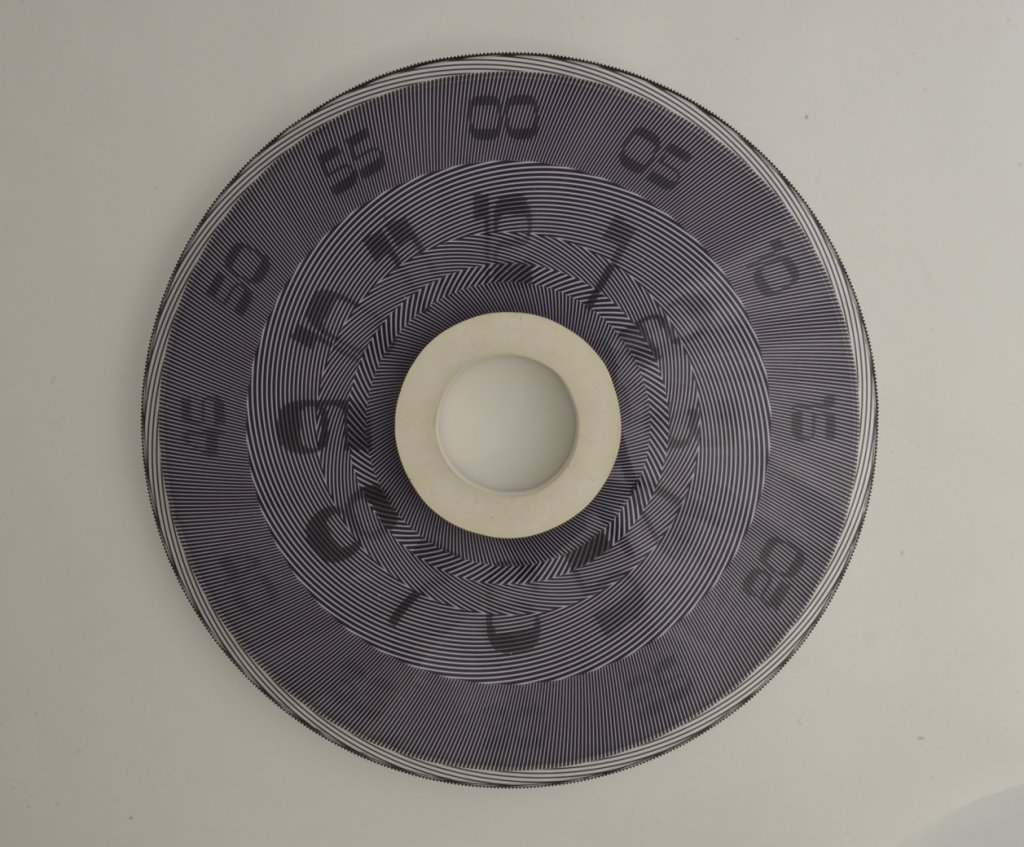
This project explores the design and development of a clock based on the Moiré effect, where the relative motion between layered patterns generates dynamic visual forms to display time. Drawing inspiration from Gabrielyan’s (2007) research on multi-ring Moiré patterns for fast and accurate optical indication, the project adapts this principle to represent both hours and minutes. Unlike conventional clocks, the mechanism operates without a central drive, a constraint that significantly shaped the overall design. Instead, an external driving unit connected via a timing belt controls the motion of the layers, with time revealed through the shifting interaction between these patterned elements.


The technique
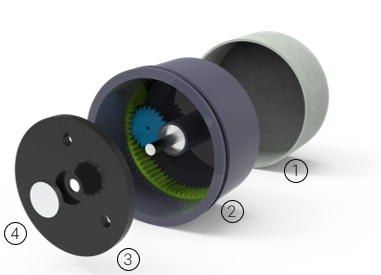
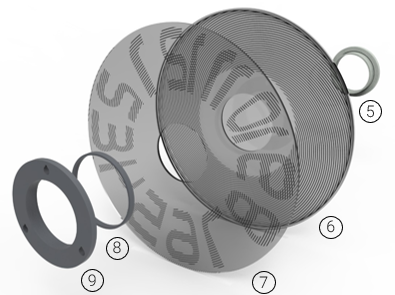
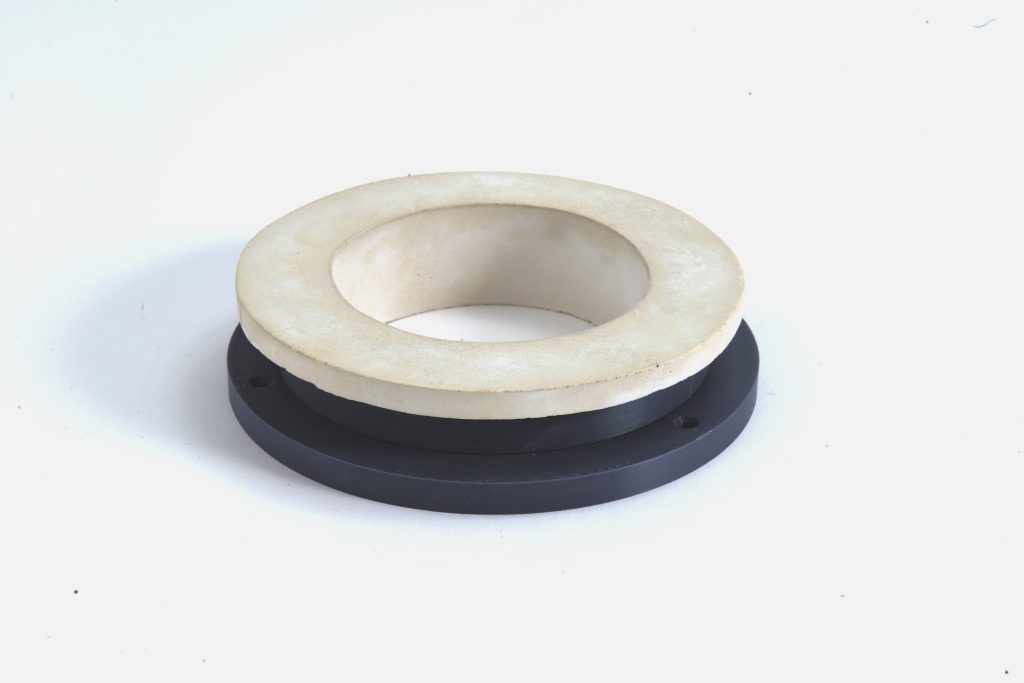
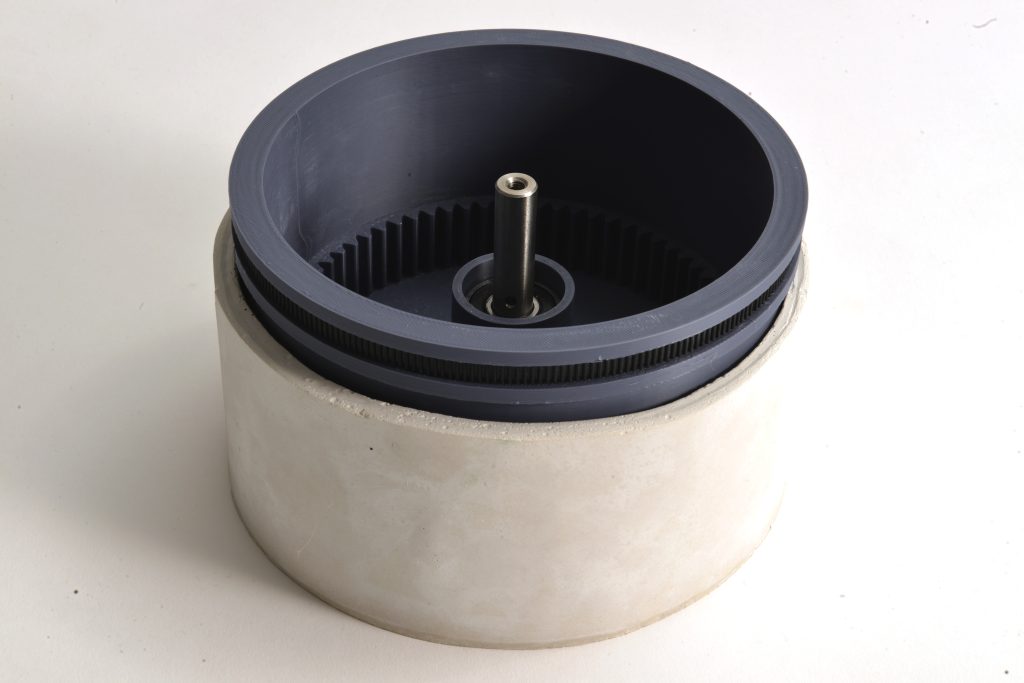
The clock is made up of 9 different parts:
- Concrete cover (casting)
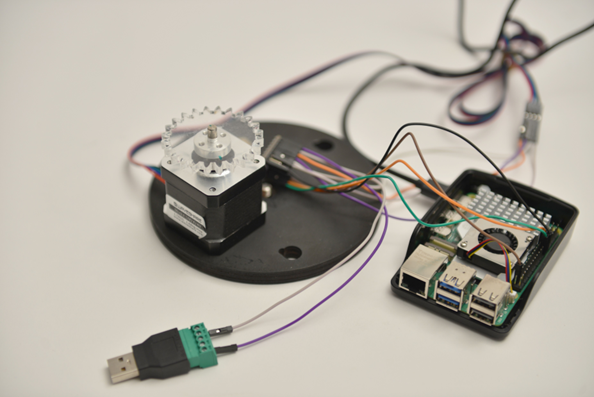
- Drive box (motor, two gears driven by the motor, bearing, raspberry pi and power supply) with a rail for the timing belt (3D printing)
- Cover for a drive box used for wall mounting (Lazer cutting)
- Threaded tightening (COTS product)
- Concrete cover (casting)
- Dynamic acrylic panel (laser cutting and UV printing)
- Dynamic ring (3D printing)
- Static ring mounted on the wall (3D printing)
Gallery